Crystal meth
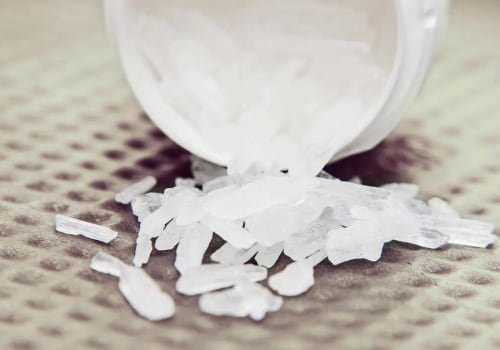
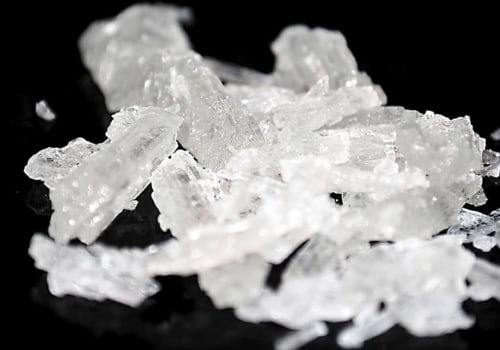
, or methamphetamine, is a powerful and highly addictive stimulant that affects the central nervous system. It is known for its potent effects on mood and energy levels, often leading users to experience a euphoric high. This drug typically appears in two primary forms: a white, odorless crystalline powder and clear or bluish crystals resembling shards of glass. The latter form is often referred to as "ice" or "crystal," which can be smoked, snorted, injected, or ingested orally.
Each method of consumption can significantly alter the intensity and duration of its effects. The effects of crystal meth are immediate and intense, often leading to increased energy, heightened alertness, and a sense of euphoria. However, these positive sensations are accompanied by a range of negative side effects that can be devastating. Users may experience increased heart rate, elevated blood pressure, and hyperthermia. Additionally, prolonged use can lead to severe psychological issues such as anxiety, paranoia, and hallucinations.
The drug's impact on the brain can also result in long-term cognitive deficits and emotional instability. Despite its temporary allure, the dangers associated with crystal meth are profound. Addiction can develop rapidly, leading individuals to engage in risky behaviors to obtain the drug. The physical toll on the body is significant; chronic users often suffer from severe dental problems—commonly referred to as "meth mouth"—as well as skin sores and weight loss due to decreased appetite. Furthermore, the social implications of crystal meth use can be equally damaging, affecting relationships with family and friends while increasing the likelihood of legal troubles. Understanding what crystal meth is and recognizing its effects is crucial for anyone seeking information about this dangerous substance.
As we delve deeper into this topic, it becomes essential to explore not only where to find crystal meth but also the broader implications of its use and the urgent need for awareness and prevention.
The Nature of Crystal Meth
Crystal meth
, or crystalline methamphetamine, is a powerful and highly addictive stimulant that affects the central nervous system. Understanding its
composition
, production methods, and various forms is essential for grasping the risks associated with this substance.
Chemical Composition
The chemical formula for crystal meth is C10H15N, which indicates that it is composed of carbon, hydrogen, and nitrogen atoms. This structure allows it to easily cross the blood-brain barrier, leading to its potent effects. The drug is a derivative of amphetamine, which is used in some medical treatments but can be misused for its euphoric effects.
How Crystal Meth is Made
The production of crystal meth typically involves the synthesis of methamphetamine from precursor chemicals.
Commonly used substances include pseudoephedrine, which is found in many over-the-counter cold medications. The process often takes place in clandestine laboratories, where individuals use various methods to extract and convert these chemicals into methamphetamine.
One popular method is known as the "Nazi method," which utilizes anhydrous ammonia and lithium to produce the drug. This method is particularly dangerous due to the volatile nature of the chemicals involved, often resulting in explosions or toxic fumes. Other methods may involve using solvents like ether or acetone, further increasing the risk of hazardous conditions.
Types of Crystal Meth
Crystal meth can appear in several forms, each with distinct characteristics:
- Clear Crystals: Often referred to as "ice," this form resembles small shards of glass and is known for its purity and potency.
- Blue Meth: This variant contains a blue tint due to the presence of food coloring or other additives during production.
It has gained notoriety through popular culture but does not necessarily indicate higher quality.
- Pills: In some cases, crystal meth can be pressed into pill form, making it easier to consume but potentially more dangerous due to dosage inconsistencies.
Where to Find Crystal Meth: Common Sources
When it comes to locating crystal meth, understanding the common sources is crucial. This illegal substance can be found in various environments, each posing its own risks and challenges. Below are some of the most prevalent sources where individuals might encounter crystal meth.- Street Dealers: One of the most common ways to find crystal meth is through street dealers.
These individuals often operate in specific neighborhoods known for drug activity. Engaging with these dealers can be dangerous, as they may be involved in violent crime and other illegal activities.
- Online Markets: The rise of the internet has led to a new avenue for purchasing crystal meth. Dark web marketplaces allow users to buy drugs anonymously using cryptocurrencies. However, this method carries significant risks, including scams and law enforcement monitoring.
- Social Circles: Many individuals may find crystal meth through friends or acquaintances who use or sell the drug.
This source can be particularly insidious, as it often normalizes drug use within social groups.
- Parties and Raves: Certain social events, such as parties or raves, are known hotspots for drug use, including crystal meth. Users may find it readily available in these environments, often shared among attendees.
- Local Drug Trafficking Organizations: In some regions, organized crime groups control the distribution of crystal meth. These organizations may have established networks that make it easier for users to access the drug, albeit at a higher risk of violence and legal repercussions.
Understanding where to find crystal meth is not just about accessibility; it's about being aware of the dangers that come with it.
The Risks and Consequences of Using Crystal Meth
Using crystal meth poses significant health risks and legal consequences that can have devastating effects on individuals and their communities. Understanding these dangers is crucial for anyone considering the use of this powerful stimulant.Health Risks of Crystal Meth
- Addiction: One of the most alarming risks associated with crystal meth is its highly addictive nature. Users can develop a dependency after just a few uses, leading to compulsive drug-seeking behavior and an inability to stop despite negative consequences.
- Physical Health Issues: The use of crystal meth can lead to severe physical health problems, including:
- Cardiovascular Damage: Increased heart rate and blood pressure can result in heart attacks or strokes.
- Respiratory Problems: Smoking crystal meth can cause lung damage and respiratory issues.
- Dental Issues: Often referred to as "meth mouth," users may experience severe dental decay and gum disease.
- Skin Sores: Users may develop sores or infections due to scratching or poor hygiene.
- Mental Health Effects: Crystal meth can also lead to significant mental health issues, including anxiety, paranoia, hallucinations, and violent behavior. Long-term use may result in cognitive deficits that can persist even after stopping the drug.
Legal Consequences of Crystal Meth
The legal ramifications of using or possessing crystal meth are severe.
In many jurisdictions, possession of even small amounts can lead to felony charges, resulting in:
- Imprisonment: Convictions can lead to lengthy prison sentences, which disrupt lives and families.
- Fines: Legal penalties often include hefty fines that can create financial strain.
- A Criminal Record: A conviction for crystal meth-related offenses can have long-lasting effects on employment opportunities and personal relationships.
Signs of Crystal Meth Use and Addiction
Recognizing the signs of crystal meth use and addiction is crucial for early intervention and support. The symptoms can vary widely among individuals, but there are common indicators that can help you identify potential issues.Physical Signs
Individuals using crystal meth may exhibit noticeable physical changes. These can include:- Weight Loss: Rapid and significant weight loss is a common sign, as meth suppresses appetite.
- Dental Issues: Often referred to as "meth mouth," users may experience severe dental decay and gum disease.
- Skin Problems: Users might have sores or infections on their skin due to scratching or poor hygiene.
- Increased Energy: A person may display hyperactivity, excessive talking, or an inability to sit still.
- Insomnia: Difficulty sleeping or prolonged periods of wakefulness are typical among users.
Behavioral Changes
Behavioral signs can also indicate crystal meth use.These may include:
- Paranoia: Users often experience intense feelings of paranoia or anxiety, leading to erratic behavior.
- Social Withdrawal: A noticeable decline in social interactions or a shift in friend groups can be a red flag.
- Irritability: Increased irritability or mood swings may occur, affecting relationships with family and friends.
- Lying or Deceit: Individuals may become secretive about their activities and whereabouts.
Cognitive Symptoms
Cognitive effects of crystal meth use can be profound. Look for signs such as:- Poor Decision-Making: Users may engage in risky behaviors without considering the consequences.
- Cognitive Decline: Long-term use can lead to memory problems and difficulty concentrating.
Getting Help: Resources for Crystal Meth Addiction
Struggling with crystal meth addiction can feel overwhelming, but it’s important to know that help is available. Numerous resources exist to support individuals seeking recovery, including treatment options and support groups tailored specifically for those affected by methamphetamine use.Treatment Options for Crystal Meth Users
When it comes to treating crystal meth addiction, various approaches can be effective.Here are some common treatment options:
- Inpatient Rehabilitation: This option provides a structured environment where individuals can focus solely on their recovery. Inpatient programs often include medical supervision, therapy sessions, and support from trained professionals.
- Outpatient Programs: For those who may not require intensive care, outpatient programs offer flexibility. Patients can attend therapy sessions while continuing to live at home, allowing them to maintain some normalcy in their daily lives.
- Cognitive Behavioral Therapy (CBT): CBT is a widely used therapeutic approach that helps individuals identify and change negative thought patterns and behaviors associated with addiction. This method has shown effectiveness in treating crystal meth dependence.
- Medication-Assisted Treatment (MAT): While there are currently no FDA-approved medications specifically for treating crystal meth addiction, some medications may help manage withdrawal symptoms and cravings.
Consulting with a healthcare provider can provide guidance on this option.
Support Groups for Addiction
In addition to formal treatment options, support groups play a crucial role in recovery. Connecting with others who share similar experiences can provide encouragement and understanding. Here are some notable support groups:- Narcotics Anonymous (NA): NA is a global fellowship of individuals recovering from drug addiction, including crystal meth. Meetings are held regularly and provide a safe space for sharing experiences and receiving support.
- The Crystal Meth Anonymous (CMA): Specifically focused on those recovering from crystal meth addiction, CMA offers meetings and resources tailored to the unique challenges faced by users of this substance.
- SMART Recovery: This self-help program focuses on empowering individuals through self-management techniques.
SMART Recovery meetings encourage participants to develop coping strategies and build a supportive community.
Conclusion: The Importance of Awareness and Education on Crystal Meth
In conclusion, understanding the realities surrounding crystal meth is crucial for both individuals and communities. The dangers associated with this powerful stimulant extend far beyond its immediate effects on users; they ripple through families, neighborhoods, and society at large. As we have explored throughout this article, the prevalence of crystal meth in various forms and its accessibility can lead to devastating consequences. Awareness is the first step in combating the issues related to crystal meth.By educating ourselves and others about the signs of use, the potential for addiction, and the health risks involved, we can create a more informed public. This knowledge empowers individuals to make better choices and encourages those struggling with addiction to seek help. Moreover, community initiatives aimed at raising awareness about the dangers of crystal meth can foster a supportive environment for recovery. Programs that provide education on substance abuse, mental health resources, and support networks are essential in addressing this crisis. It is vital for local organizations, schools, and healthcare providers to collaborate in spreading information and resources. Additionally, it is important to recognize that stigma often prevents individuals from seeking help.
By fostering open conversations about crystal meth use and addiction, we can reduce this stigma and encourage those affected to reach out for support without fear of judgment. Ultimately, the fight against crystal meth requires a collective effort. From personal responsibility to community action, every step taken towards awareness and education can make a significant difference. Let us commit to being vigilant and proactive in our approach to this pressing issue, ensuring that we protect ourselves and our loved ones from the dangers of crystal meth.